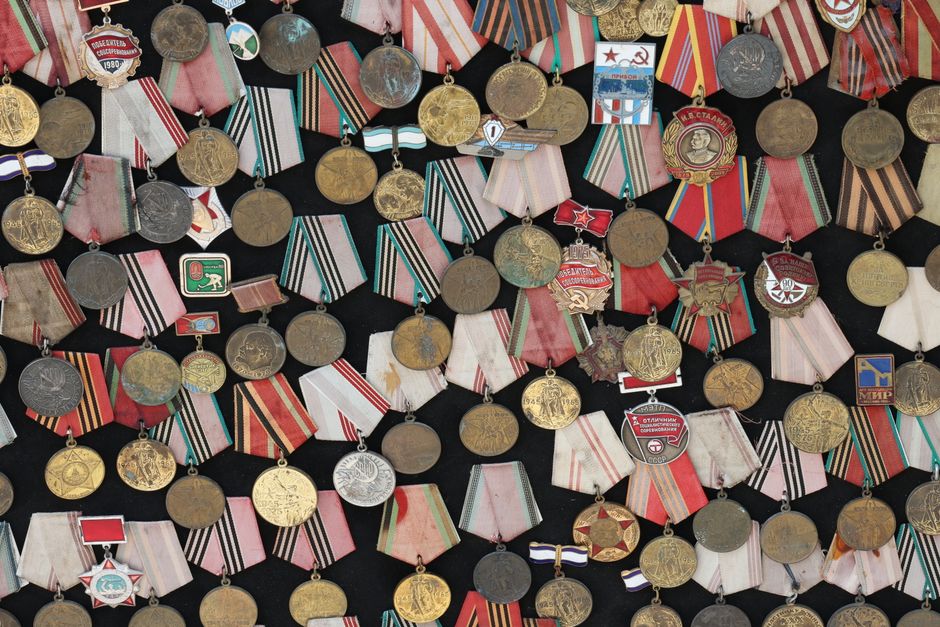
A website dedicated to exposing individuals with 'fake service records' has stirred up controversy within the veteran community. The Australia and New Zealand Military Imposters Group (ANZMI) publishes reports with names and photos of people they claim are guilty of lying about their military service. These individuals are labeled as liars, medal cheats, wannabes, and valour thieves on the website, sparking outrage and debate.
ANZMI has conducted investigations into hundreds of reports of individuals either fabricating or exaggerating their service records. Over 300 cases, complete with names and photos, have been made public by the anonymous group. While ANZMI insists they have never made a mistake in their findings, critics argue that the group unfairly tarnishes the reputations and mental well-being of those accused, many of whom are also veterans.
Neville Trueman, a member of ANZMI who remains anonymous, is passionate about the group's mission. He believes that falsely claiming military service is a disservice to those who have genuinely experienced the hardships of war. Trueman stated that the group receives reports from across Australia, which are thoroughly investigated. Approximately 40 percent of the cases are deemed to be valid, resulting in the individuals being publicly named and shamed on the ANZMI website.
Trueman, who has over 20 years of military experience including service in Vietnam and Papua New Guinea, emphasized the importance of their covert operations. He and other members of ANZMI refuse to reveal their identities, claiming that anonymity is crucial for their work. According to Trueman, the group's investigations aim to determine whether an individual is falsely claiming military service, often by making grandiose claims such as being a sniper in the SAS.
Despite ANZMI's efforts to expose imposters, the group has faced criticism within the veteran community. Jay Devereux, the founder and CEO of Veterans 360, an organization that supports homeless ex-servicemen and women, acknowledges the positive impact of ANZMI but also highlights its potential to harm individuals. Devereux recounted a case where a man who had experienced significant trauma during his time in the Australian Defence Force was publicly shamed by ANZMI for wearing a medal he was not entitled to wear.
Devereux expressed concern about the increasing use of the website to vilify ex-service personnel, noting that while some cases may be legitimate, there is a risk of unjustly targeting individuals who have already endured significant challenges. The debate surrounding ANZMI's actions underscores the complexities of identifying authentic military service and the ethical considerations involved in publicly exposing those accused of fraud.
As the veteran community grapples with the implications of websites like ANZMI, the need for a nuanced approach to addressing fraudulent claims of military service becomes increasingly apparent. Balancing the desire to uphold the integrity of military service with the potential for harm to individuals wrongly accused remains a contentious issue that requires thoughtful consideration and dialogue among all stakeholders.