War medals hold significant historical value, often symbolizing the sacrifices made by individuals during times of conflict. These medals, sometimes lost or misplaced, can resurface unexpectedly in various places, triggering a quest to reunite them with their rightful owners. Gary Traynor, founder of Medals Gone Missing, emphasizes the importance of patience and meticulous research in the process of connecting lost war medals with the families they belong to.

When discovering war medals, the first step is to determine their origins, whether they are relics from World War I or World War II. Traynor advises utilizing databases like the WWI embarkation roll or the WWII nominal roll to trace the recipient’s information. These records not only provide insights into the recipients but also offer clues about their next of kin, birthplace, and enlistment details, facilitating the search process.
Each war medal carries unique identifiers, such as service numbers, initials, and surnames, engraved on them. These engravings serve as vital clues that aid in identifying the rightful owners. By leveraging online resources like the Australian War Memorial and the National Archives of Australia, individuals embarking on this noble mission can gather essential information to kickstart the investigative process.

However, beyond online databases, Traynor stresses the significance of traditional detective work in reuniting lost war medals with families. Engaging in old-fashioned methods like perusing White Pages and making phone calls can often lead to fruitful outcomes, enabling the tracking down of descendants and ensuring the safe return of these cherished mementos.
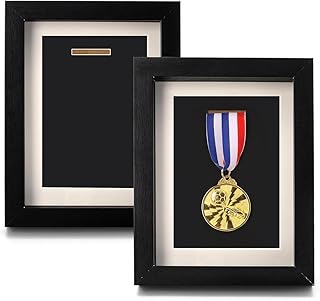
There are various reasons why war medals become separated from their original recipients. From being passed down through generations to being inadvertently misplaced during estate transitions, these medals embark on unexpected journeys that sometimes lead them to op shops or online marketplaces. Traynor’s experience underscores the importance of handling these discoveries with sensitivity and caution.

The Australian War Memorial advocates for thoughtful consideration when reaching out to families regarding lost war medals. While the return of these medals may evoke emotions of joy and nostalgia, it is essential to approach such reunions with empathy, recognizing that these items hold sentimental value and may evoke mixed emotions within the families.

As individuals navigate the intricate process of reuniting lost war medals with their rightful owners, patience remains a key virtue. Traynor emphasizes the need to verify the identity of the recipients’ direct descendants, ensuring that these valuable artifacts find their way back to the correct lineage, preserving the legacy and valor encapsulated within each medal.
In conclusion, the quest to return lost war medals involves a blend of historical research, investigative diligence, and compassionate engagement with families. Through meticulous efforts and a deep appreciation for the historical significance of these medals, individuals like Gary Traynor exemplify the dedication required to honor the sacrifices of past generations and uphold the legacy of courage and service embodied by these timeless artifacts.
📰 Related Articles
- War Hero’s Stolen Medals Returned by South Australia Police
- Uncovering William Stirling Craddock’s Military Medal: A Quest for Family
- Senator Lambie Criticizes Stripping War Medals Amid War Crimes Inquiry
- Lost Wedding Vinyl Reunites Family After 56 Years
- Guernsey Family’s Quest to Honor First World War Medal’s Legacy